Fares Dessouky Net Worth 2026 - Egypt's Power Game Pays Off
Fares Dessouky Net Worth 2026 - Egypt's Power Game Pays Off
In a sport that rewards both technical refinement and sheer athletic force, Fares Dessouky has consistently leaned into the latter. The Egyptian professional has built a career defined by relentless aggression on the court — and a steadily accumulating financial profile off it. As of 2026, Dessouky's estimated net worth stands at approximately $800,000 to $1.1 million, a figure shaped by PSA Tour earnings, national team compensation, and the commercial advantages that come with representing squash's most dominant nation.
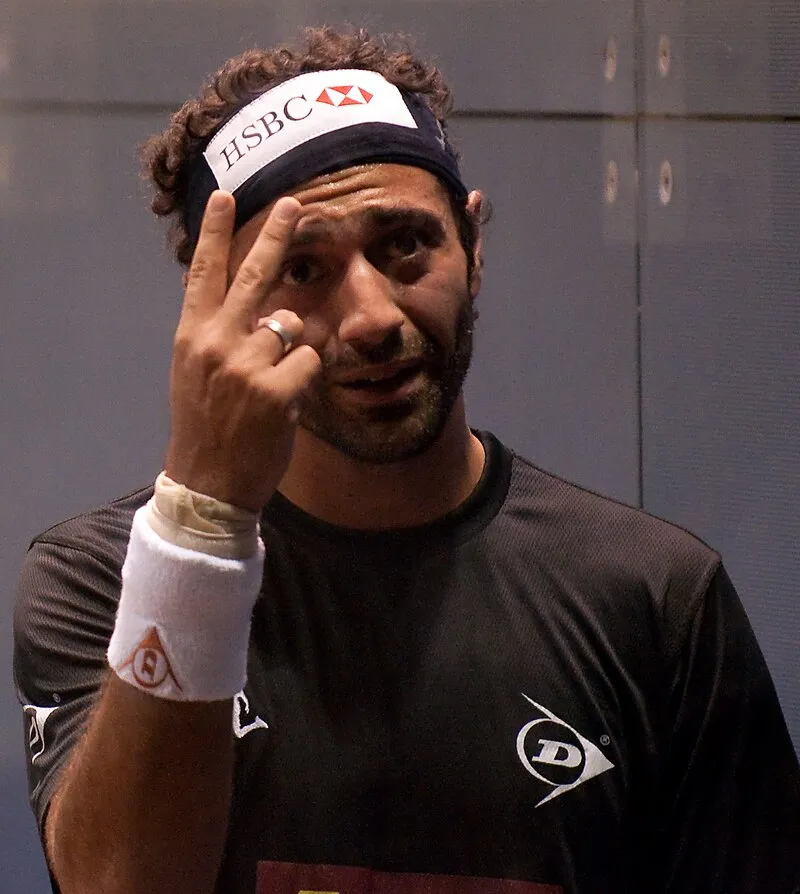
 Photo: Fares Dessouky, via images.hollandandbarrettimages.co.uk
The Egyptian Squash Machine and What It Pays
To understand Dessouky's finances, one must first appreciate the infrastructure behind Egyptian squash. The Egyptian Squash Federation operates one of the most organized national programs in the sport, providing its top players with stipends, coaching access, and tournament logistics support. For players like Dessouky who have held rankings inside the PSA World Top 20, those national-level benefits represent a meaningful supplement to tour income — estimated at somewhere between $15,000 and $30,000 annually in combined support and performance bonuses.
Dessouky turned professional in the early 2010s and steadily climbed the PSA rankings, eventually breaking into the Top 10 for stretches of his career. At that level, prize money accumulation becomes genuinely significant. PSA Platinum and World Series events — including the prestigious Tournament of Champions in New York and the British Open — carry prize purses that can yield $10,000 to $30,000 per deep run for a player of his caliber. Over the course of a full professional career, Dessouky's cumulative PSA prize money is estimated at approximately $600,000 to $750,000.
 Photo: Tournament of Champions, via img.kleinanzeigen.de
Playing Style as a Marketing Asset
Dessouky's brand identity within squash circles is inseparable from his physicality. Standing over six feet tall and possessing one of the most powerful serves in the men's game, he has been described by commentators as a "wrecking ball" — a player who physically dominates the T and overwhelms opponents with pace. That kind of distinctiveness carries commercial value.
Racquet manufacturers and apparel brands that sponsor PSA Tour players often prioritize players who are visually compelling and memorable to casual fans. Dessouky's imposing presence has made him an attractive partner for mid-tier equipment sponsors. While he has not secured the headline-level endorsement deals of peers such as Ali Farag or Mohamed ElShorbagy, his equipment and apparel partnerships are estimated to contribute between $40,000 and $70,000 per year to his annual income.
Domestic Egyptian sponsorships — from telecommunications companies, sports retailers, and national brands that regularly align with Egyptian sporting success — add another layer. Egypt's sports marketing environment has grown considerably over the past decade, and squash players ranked inside the national Top 5 routinely attract attention from local commercial partners. Dessouky's domestic endorsement income is estimated at an additional $20,000 to $35,000 annually.
Exhibition Circuit and International Visibility
Beyond the formal PSA calendar, exhibition events have become an increasingly important income source for established professionals. Dessouky has participated in invitational events in the Gulf region — particularly in Qatar and Saudi Arabia, where squash's commercial profile has expanded rapidly — as well as in North American promotional events. Appearance fees for players of his ranking level typically range from $3,000 to $8,000 per event, and participating in four to six such events per year generates a meaningful supplementary income stream.
His international visibility has also opened doors in the United States market, where the Tournament of Champions at Grand Central Terminal in New York remains one of the sport's most commercially visible events. American sponsors and media partners associated with that event have historically provided incremental exposure for elite Egyptian players, and Dessouky has benefited from that platform during his appearances.
Coaching, Academy Involvement, and the Post-Playing Horizon
As Dessouky moves through his late professional career, the coaching and academy pathway — a well-worn route for Egyptian squash professionals — has begun to take shape. Several Egyptian players of his generation have transitioned into roles at private academies in Cairo and Alexandria, as well as at international clubs in the United States, Europe, and the Gulf. Coaching fees at the elite level can range from $50 to $150 per hour, and academy director roles at established facilities carry annual salaries of $40,000 to $80,000.
Dessouky has not yet made a formal transition into coaching, but his technical knowledge and competitive experience position him well for that eventual move. Industry observers expect that his post-playing career will mirror that of other Egyptian professionals who have successfully leveraged their reputations into academy roles, particularly in North America and Europe where squash coaching demand remains strong.
Net Worth Summary
Pulling these figures together, Fares Dessouky's 2026 financial picture looks as follows:
- Cumulative PSA prize money (career): ~$600,000–$750,000
- Annual endorsement income (international): ~$40,000–$70,000
- Annual domestic Egyptian sponsorships: ~$20,000–$35,000
- Exhibition and appearance fees: ~$15,000–$48,000 per year
- National team support and bonuses: ~$15,000–$30,000 per year
When accounting for career savings, ongoing income, and the assets accumulated over more than a decade as a professional athlete, Dessouky's estimated net worth in 2026 sits between $800,000 and $1.1 million. That figure may not place him among squash's wealthiest names, but it represents a solid financial foundation built through consistency, physical dominance, and the unique commercial advantages of representing the world's most powerful squash nation.