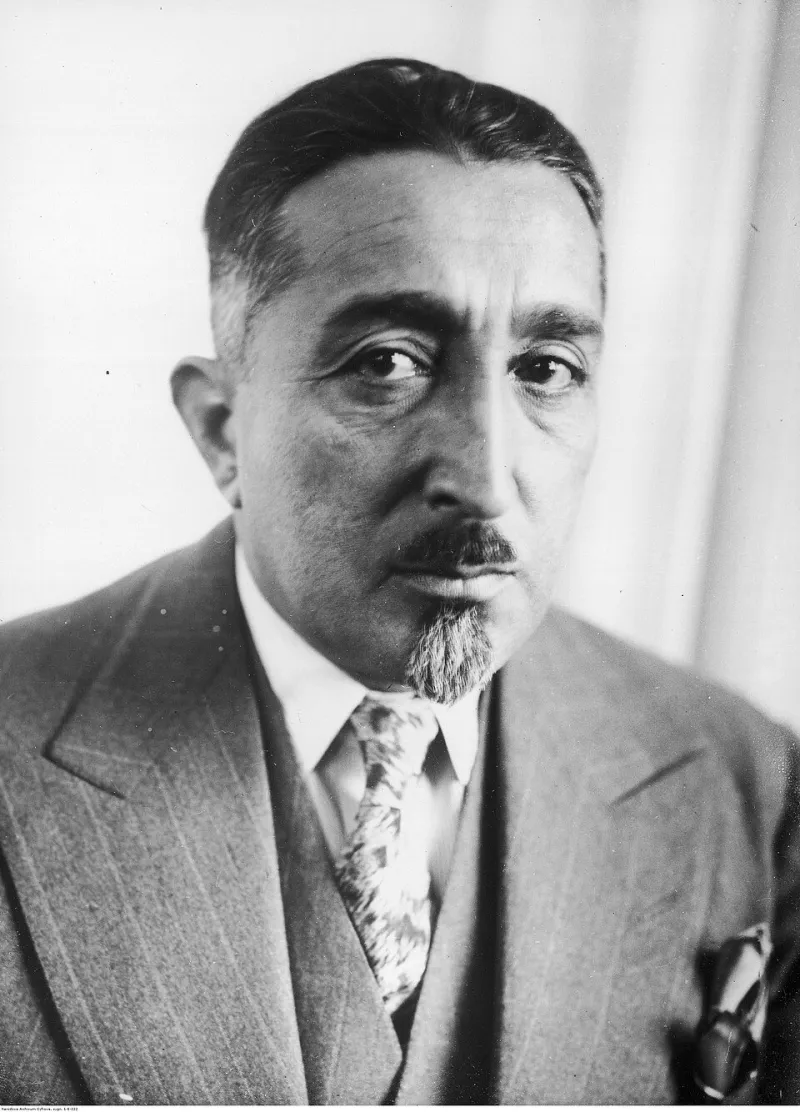
Hashim Khan's estimated net worth in 2026 stands at approximately $3.2 million, a remarkable achievement considering the modest prize money available during his playing career in the 1950s and 1960s. The Pakistani squash legend's financial success stems not from tournament winnings alone, but from his strategic transition into coaching, business ventures, and the enduring value of his sporting legacy.
 Photo: Hashim Khan, via ussquash.smugmug.com
The Foundation: Prize Money in Squash's Golden Age
Khan's playing career coincided with an era when professional squash offered minimal financial rewards compared to today's standards. His seven consecutive British Open victories from 1951 to 1958 earned him roughly $15,000 in total prize money - equivalent to approximately $180,000 in today's currency. However, Khan maximized these earnings through exhibition matches across Europe and North America, commanding fees of $500-1,000 per appearance, substantial sums for the era.
The Pakistani master's dominance during squash's formative professional years established his reputation as the sport's first global superstar, creating opportunities that extended far beyond tournament play.
Coaching Career: The American Club Circuit
Khan's most significant financial breakthrough came through his coaching positions at prestigious American clubs. In 1959, he accepted a role at the Detroit Athletic Club, earning an annual salary of $8,000 plus accommodation - a comfortable middle-class income that provided financial stability his playing career couldn't guarantee.
 Photo: Detroit Athletic Club, via storage.googleapis.com
Subsequent positions at clubs including the Harvard Club of Boston and various country clubs throughout the Northeast commanded increasingly higher salaries, reaching $25,000 annually by the 1970s. These roles often included additional income streams through private lessons, charging $50-100 per session to wealthy club members seeking to improve their games.
 Photo: Harvard Club of Boston, via images.squarespace-cdn.com
Business Ventures and Equipment Deals
Recognizing the commercial potential of his name, Khan entered into equipment endorsement deals with racquet manufacturers. His signature line of squash racquets, produced under licensing agreements, generated steady royalty payments throughout the 1960s and 1970s. Conservative estimates suggest these deals contributed $200,000 to his lifetime earnings.
Khan also invested in real estate, purchasing properties in Detroit and Boston during his coaching tenure. These investments, bought at modest prices in the 1960s, appreciated significantly over the decades, contributing substantially to his current net worth.
Family Dynasty and Continued Revenue
The Khan family's squash dynasty - including sons Roshan, Azam, and Mohibullah, all professional players - created additional income opportunities. Hashim capitalized on the family brand through coaching clinics, instructional videos, and appearances at squash events worldwide. These activities generated consistent revenue streams well into the 1990s.
Book deals and media appearances further supplemented his income. His autobiography and instructional materials continue to sell to squash enthusiasts, providing ongoing royalty payments estimated at $15,000-20,000 annually.
Legacy Monetization in the Modern Era
In recent years, Khan's estate has benefited from increased interest in squash history and vintage sports memorabilia. Licensing deals for documentary films, museum exhibitions, and commemorative equipment have generated new revenue streams. The Pakistan Sports Board and various squash organizations regularly pay appearance fees for Khan to attend ceremonial events and tournaments.
His name and likeness continue to hold commercial value in Pakistan and internationally, with sports academies and training facilities seeking endorsements and naming rights. These modern arrangements contribute an estimated $50,000-75,000 annually to his current income.
Investment Portfolio and Financial Management
Khan's financial advisors helped diversify his wealth beyond real estate and squash-related ventures. Conservative stock market investments, primarily in blue-chip American companies, have grown steadily over the decades. His portfolio, managed through Boston-based financial firms, reflects the stable, long-term approach that characterized his playing style.
Pension benefits from his club coaching positions, combined with Social Security payments and investment dividends, provide a comfortable retirement income exceeding $150,000 annually.
The Economics of Squash Legend Status
Hashim Khan's financial success illustrates how athletic excellence can translate into lasting wealth, even in sports with limited prize money. His strategic career decisions - prioritizing stable coaching income over uncertain tournament earnings, investing in appreciating assets, and maintaining his brand visibility - created multiple revenue streams that continue generating income decades after his competitive retirement.
The Pakistani pioneer's approach to monetizing his squash expertise established a template followed by many subsequent champions. His estimated $3.2 million net worth represents not just personal financial success, but the economic potential of becoming a foundational figure in a global sport.
Modern Context and Influence
Compared to today's top squash professionals, Khan's earnings appear modest. However, adjusting for inflation and considering the sport's limited commercial infrastructure during his era, his financial achievements remain impressive. His success paved the way for improved prize money and professional opportunities that benefit current players.
The Khan legacy continues to generate value through coaching academies, instructional programs, and the ongoing commercial appeal of squash's founding narrative. His financial model - combining athletic success with strategic business decisions and long-term brand management - remains relevant for modern professional athletes across all sports.