Jonah Barrington Net Worth 2026 - Ireland's Squash Pioneer Who Turned Court Dominance Into Lasting Wealth
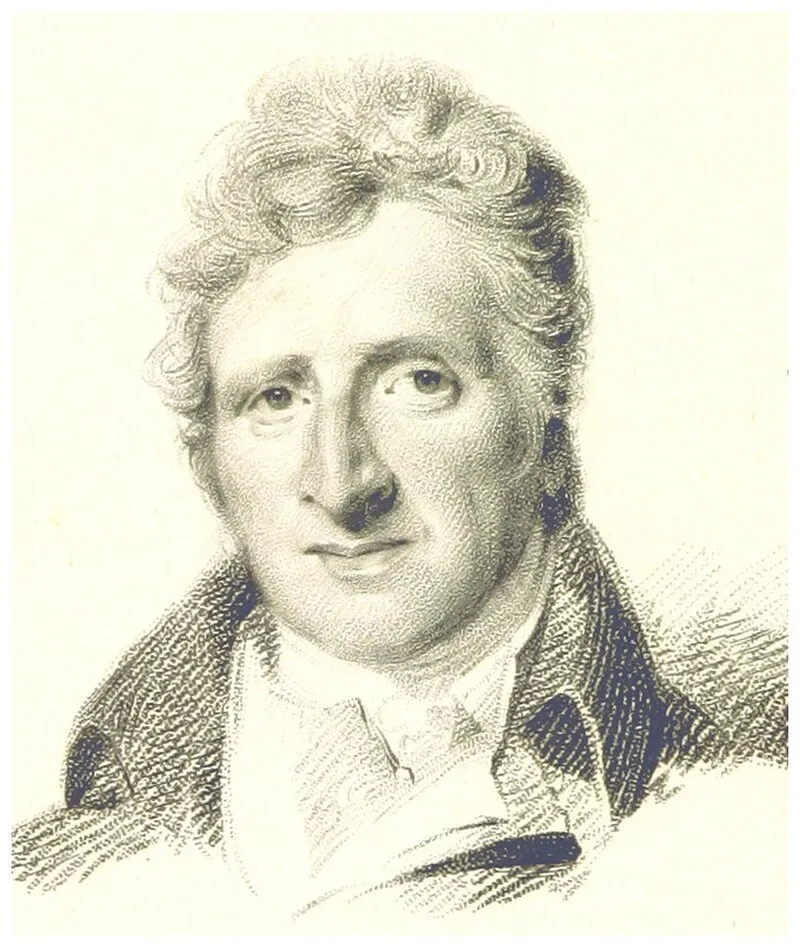
Photo of Jonah Barrington, via Wikimedia Commons
Long before squash had a functioning professional tour, televised finals, or corporate sponsorship infrastructure, Jonah Barrington was doing something radical: treating it like a professional sport. The Irish-born champion, who won six British Open titles between 1967 and 1973, approached training, self-promotion, and media engagement with an intensity that was entirely foreign to the gentlemen-amateur culture of 1960s squash. In doing so, he laid the commercial foundations upon which every subsequent generation of professional squash players has built their careers — and his own net worth in 2026, estimated at $2.5 million to $4 million, reflects that pioneering legacy.
The Making of Squash's First Professional Personality
Jonah Barrington was born in Cornwall, England, in 1941, to an Irish father, and spent formative years in Ireland — an identity he has always embraced proudly. His path to squash was unconventional. He arrived at the sport relatively late, in his early twenties, and with a physical condition that was, by his own admission, far from elite. What he lacked in natural gifts, he compensated for with a ferocious training regimen that became the stuff of sporting legend.
His willingness to discuss his methods publicly — the pre-dawn runs, the obsessive drills, the dietary discipline — made him a compelling media figure at a time when sports journalism was hungry for authentic stories. That visibility was not accidental. Barrington understood, instinctively, that a professional athlete needed an audience, and he cultivated one with considerable shrewdness.
Prize Money in the Pre-PSA Era
It would be misleading to evaluate Barrington's career earnings through the lens of modern PSA prize structures. When he was winning British Opens and dominating the international circuit in the late 1960s and early 1970s, squash tournaments offered prize money that was, by contemporary standards, negligible. Total career prize money from competitive play is estimated at no more than $200,000 to $400,000 in inflation-adjusted terms — a fraction of what a top-ten player earns in a single season today.
However, Barrington compensated through channels that were innovative for his era. He negotiated personal appearance fees for exhibitions and coaching clinics at a time when most of his peers were still operating within an amateur framework. His ability to draw paying spectators to squash demonstrations at clubs across the United Kingdom, Ireland, and increasingly in North America gave him income streams that were entirely self-generated rather than tournament-dependent.
Broadcasting, Commentary, and Media Earnings
Barrington's transition from player to media personality was seamless, largely because he had been cultivating that second identity throughout his playing career. His articulate, passionate communication style made him a natural television commentator, and he worked extensively with BBC Sport and various international broadcasters during squash's television boom years of the 1980s.
Commentary contracts, punditry appearances, and expert analysis roles provided Barrington with consistent income well into the 1990s. Broadcasting fees during peak years are estimated to have contributed approximately $50,000 to $100,000 annually to his earnings, with work tapering but not disappearing as squash's television footprint evolved.
His authored works — most notably his autobiography Murder in the Squash Court, which became one of the most widely read books in squash history — generated royalty income that has continued in modest but meaningful amounts through subsequent editions and digital formats. In the United States particularly, the book found an audience among the sport's dedicated club-playing community, helping to sustain Barrington's name recognition in a market he had personally helped develop during promotional tours in the 1970s.
Coaching Career and Academy Involvement
Perhaps Barrington's most financially durable post-playing contribution has been in coaching. His approach to physical conditioning and tactical preparation was genuinely ahead of its time, and his reputation as a developer of champions attracted serious students throughout the 1980s and 1990s. His work with the British national squash program at various points in his career brought institutional income alongside the personal satisfaction of shaping the next generation.
Private coaching arrangements with wealthy club players — a particularly lucrative niche that Barrington recognized early — supplemented his institutional earnings considerably. In markets like the United States, where squash has historically been associated with affluent country clubs and prep school culture, the ability to command premium coaching fees from high-net-worth individuals gave him financial returns that tournament prize money never could.
Coaching and clinic income across the peak years of this secondary career is estimated to have contributed $800,000 to $1.2 million in cumulative earnings.
Lecture Circuit and Motivational Speaking
Barrington's story — the late starter, the self-made champion, the man who rewrote what athletic preparation meant — translates powerfully into the corporate motivational speaking context. Throughout the 1990s and 2000s, he appeared regularly on the UK and Irish business conference circuit, drawing on themes of discipline, self-belief, and competitive reinvention.
Speaking fees during his most active years on this circuit ranged from $5,000 to $20,000 per engagement, with demand driven particularly by financial services firms, professional services organizations, and sports governance bodies. While the pace of these engagements has slowed in recent years, the income generated over two decades of consistent speaking work represents a meaningful component of his accumulated wealth.
Real Estate and Long-Term Financial Positioning
Barrington has maintained residences in the United Kingdom and Ireland throughout his adult life. Property holdings in both markets, acquired during periods of relative affordability and benefiting from long-term appreciation, represent a significant share of his 2026 net worth. While specific valuations are not publicly available, property assets are estimated to account for $1 million to $1.5 million of his total portfolio.
His financial positioning has benefited from the relatively modest lifestyle he maintained even during his most commercially active years — a discipline consistent with the same frugality and focus that characterized his athletic preparation. Unlike some athletes who dissipate wealth as quickly as it arrives, Barrington's long-term financial trajectory reflects careful stewardship.
Jonah Barrington Net Worth 2026: The Broader Picture
Jonah Barrington's estimated net worth of $2.5 million to $4 million in 2026 must be understood in context. He competed in an era when squash could not offer its champions the financial rewards that tennis, golf, or even athletics provided. What he built, he built largely without a functioning professional infrastructure beneath him.
That he leaves a financial legacy at all is a function of his foresight, his media savvy, and his willingness to treat professional squash as a viable commercial enterprise at a moment when almost nobody else in the sport was thinking in those terms. For the American squash community — which has long drawn on Barrington's books, his coaching philosophy, and his promotional energy — his story remains one of the sport's most instructive financial narratives: a reminder that wealth in squash has always required building something beyond what happens inside the glass walls.