Ramy Ashour Net Worth 2026 - The Tortured Genius Who Turned Cult Status Into a Lasting Financial Legacy
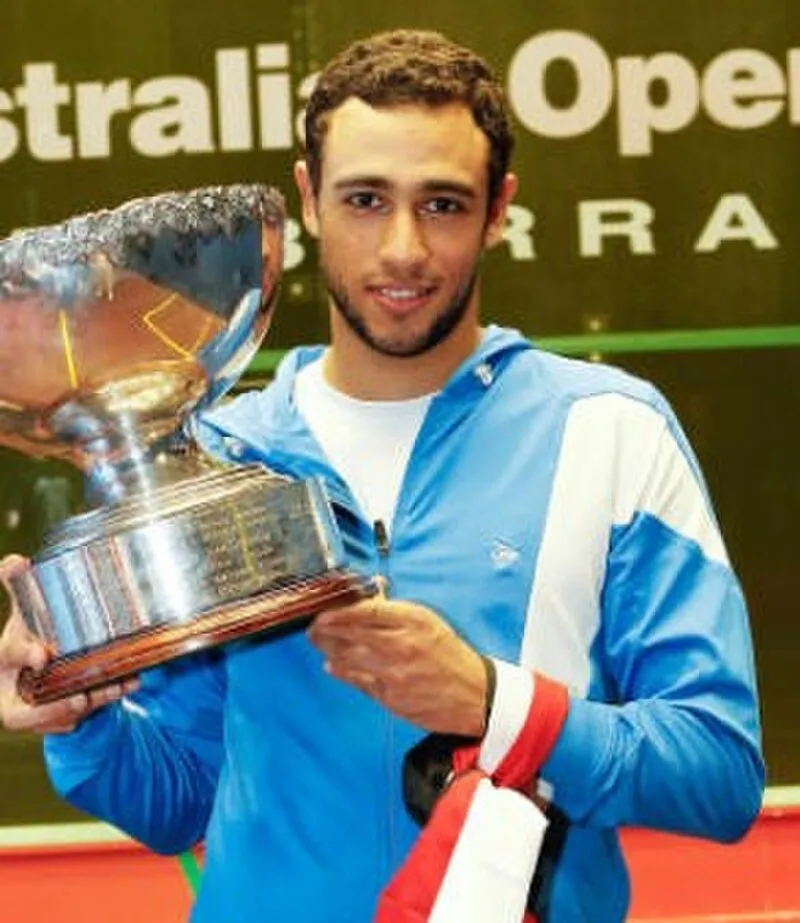
Photo of Ramy Ashour, via Wikimedia Commons
In professional squash, there is a recurring debate about the greatest player of all time. Jahangir Khan's name is always first on the list. Heather McKay's dominance is unquestioned. But when the conversation turns to pure, unfiltered talent — the capacity to produce shots that leave opponents and spectators alike momentarily disbelieving what they have just witnessed — Ramy Ashour occupies a category of his own. The Egyptian prodigy won three PSA World Championship titles, reached World No. 1, and generated a level of fan devotion that transcends the sport's traditional boundaries. He also endured a career defined as much by what might have been as by what was actually achieved.
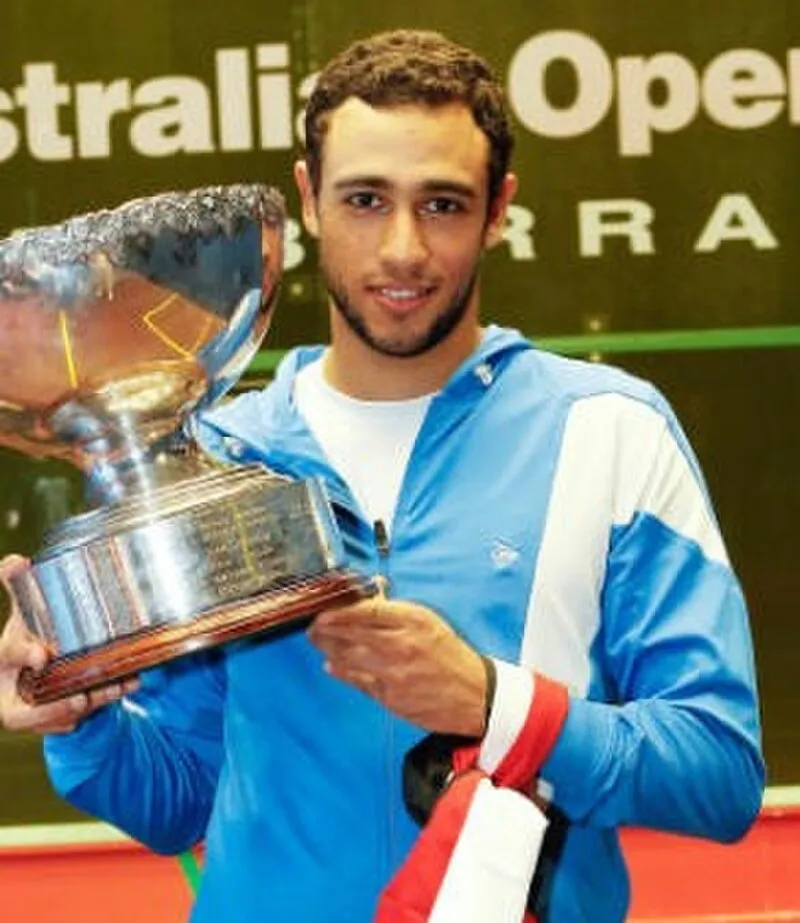
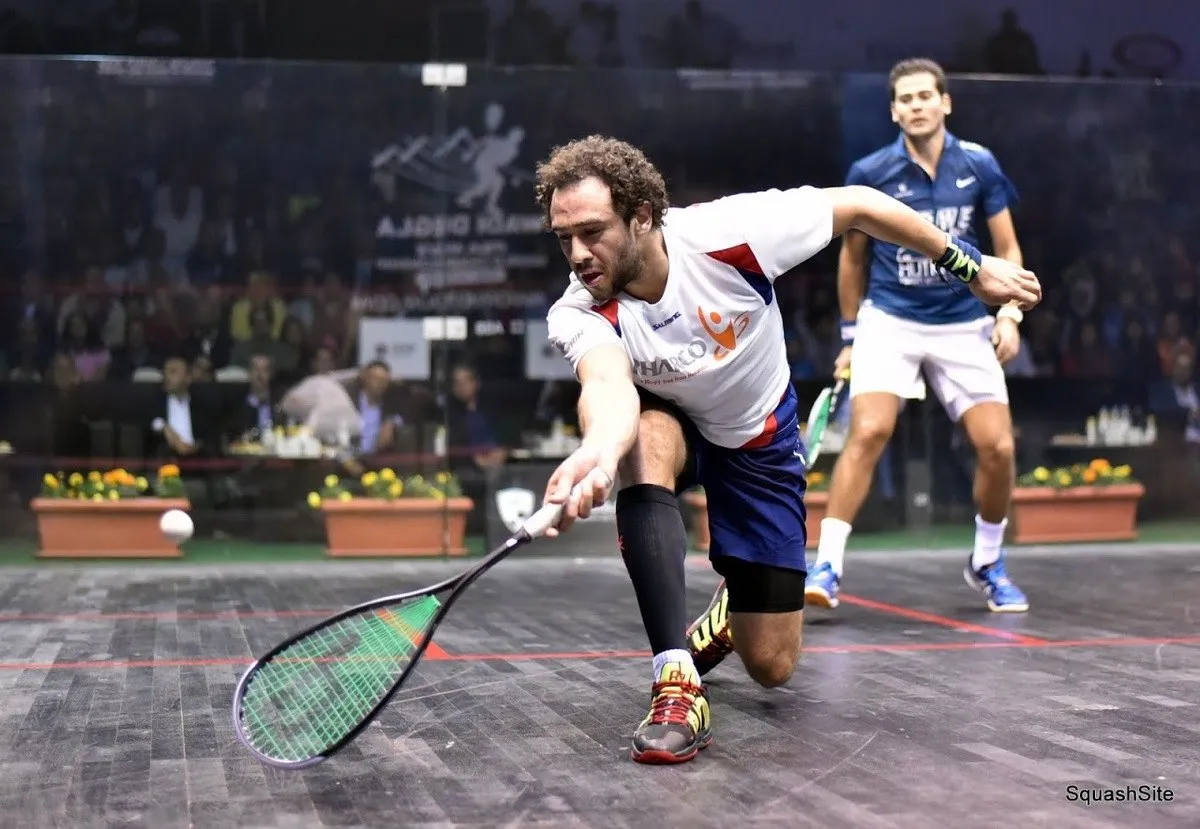 Photo: Ramy Ashour, via www.squashsource.com
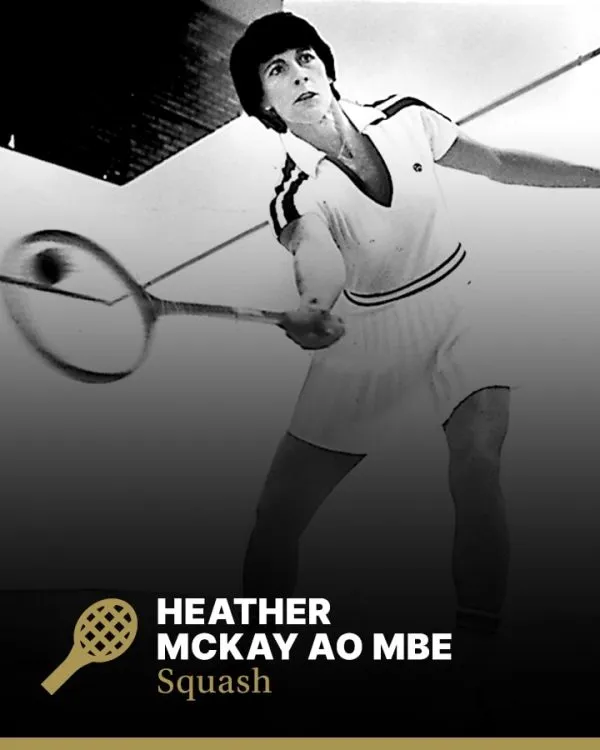 Photo: Heather McKay, via sahof.org.au
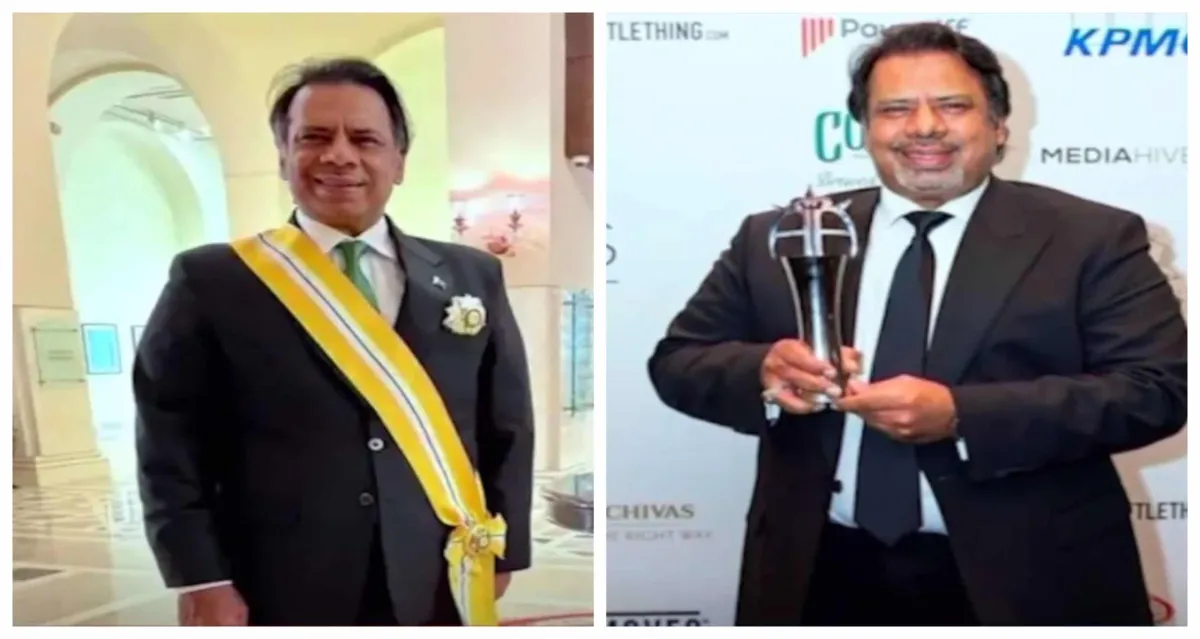 Photo: Jahangir Khan, via en.dailypakistan.com.pk
In 2026, Ashour's net worth is estimated at approximately $4 million to $5.5 million — a figure shaped by his peak earning years, the financial toll of repeated injury-related withdrawals, a post-retirement pivot toward coaching and content creation, and the remarkable commercial longevity of his cult status among global squash audiences.
Peak Earning Years: When the Talent Was Undeniable
Ashour burst onto the PSA Tour as a teenager, winning his first World Championship in 2008 at just 19 years of age. The titles followed in 2012 and 2014, with each victory accompanied by performances so extraordinary that highlight reels continue to circulate across social media platforms more than a decade later. During his competitive peak — roughly 2008 to 2016 — Ashour was among the highest-earning players on the PSA Tour.
Career PSA prize money is estimated at between $1.2 million and $1.6 million, a figure that would almost certainly have been significantly higher had chronic hamstring and leg injuries not forced repeated withdrawals from major tournaments. The financial cost of those withdrawals — forfeited prize money, disrupted ranking points that affected seeding at lucrative events, and the psychological toll on sponsors — represents one of professional squash's great economic counterfactuals.
Endorsement Deals: Commercial Value of a Superstar
During his playing years, Ashour held endorsement agreements with leading squash equipment manufacturers, most notably Tecnifibre, with whom he maintained a long-standing racket and apparel partnership. At peak value, this arrangement is estimated to have contributed $200,000 to $400,000 annually to his income, reflecting both his on-court results and his extraordinary commercial appeal.
Ashour's playing style — creative, instinctive, and occasionally bordering on the theatrical — made him uniquely marketable. Brands understood that associating with him was not simply about attaching their name to a champion; it was about connecting with a player who made people fall in love with squash in a way that few athletes in any sport can claim. That intangible value commanded a premium.
Additional partnerships with Egyptian corporate sponsors and regional sports brands supplemented his equipment income during his competitive years, contributing to an annual endorsement revenue stream estimated at $300,000 to $500,000 during his peak.
The Financial Cost of Injury
The recurring theme of Ashour's career — and the most significant variable in any assessment of his financial profile — is injury. Chronic hamstring problems forced him to withdraw from tournaments mid-competition on multiple occasions, including heartbreaking retirements at World Championship matches that were, in some cases, already won.
Each withdrawal carried direct financial consequences: forfeited prize money, potential penalty clauses in sponsorship agreements tied to ranking thresholds, and the accumulated cost of world-class medical care. Conservative estimates suggest that injury-related income losses across his career total between $500,000 and $1 million — a sobering figure that underscores the fragility of an athlete's earning window.
Yet it is also worth noting that Ashour's injuries, paradoxically, amplified his cult status. The narrative of a transcendent talent perpetually denied full expression resonated deeply with squash fans worldwide, creating an emotional connection that has proven commercially durable long after his competitive peak.
Post-Playing Career: Coaching and Academy Ventures
Since stepping back from professional competition, Ashour has channeled his energy into coaching and player development, both in Egypt and internationally. His involvement with Egyptian squash academies — working alongside the country's formidable coaching infrastructure — has positioned him as a sought-after mentor for elite junior players.
Private coaching sessions with Ashour command a significant premium given his stature. Rates for one-on-one sessions with former World No. 1 players of his caliber typically range from $200 to $500 per hour, and structured academy programs he is associated with generate estimated annual coaching revenue of $200,000 to $350,000.
His reputation has also attracted interest from squash programs in the United States, where elite academies and university programs have sought his involvement in training camps and coaching clinics. For American squash enthusiasts, the opportunity to work with a player widely regarded as the sport's most gifted practitioner carries obvious appeal, and Ashour has capitalized on that interest through selective US engagements.
Social Media and Content: The Cult That Keeps Paying
Perhaps the most distinctive element of Ashour's post-retirement financial profile is the sustained commercial value of his social media presence and the evergreen nature of his playing footage. Highlight compilations featuring his most extraordinary shots — drop volleys played from behind his back, retrieves that defied biomechanical logic, rallies that belonged more to performance art than athletic competition — continue to accumulate millions of views across YouTube, Instagram, and TikTok.
This organic digital reach translates into tangible income through brand partnership posts, sponsored content, and affiliate arrangements with squash equipment retailers. Estimated annual social media and content revenue is $50,000 to $120,000, a figure that has grown as squash's global digital audience has expanded.
Exhibition Appearances and Global Events
Ashour's name on an exhibition bill remains a significant commercial draw. Promoters of squash showcase events in the Gulf, Europe, and North America continue to seek his participation, understanding that his presence elevates both ticket sales and broadcast interest. Exhibition fees for a player of his profile range from $15,000 to $40,000 per appearance, and he participates in a selective schedule of such events annually.
Real Estate and Personal Investments
Like many Egyptian athletes of his generation, Ashour has invested in Cairo real estate, a market that, despite periodic volatility, has offered meaningful long-term returns in premium residential areas. The specifics of his property holdings are not publicly disclosed, but real estate is understood to form a meaningful component of his wealth preservation strategy.
Ramy Ashour's Net Worth in 2026: Genius Deferred, Legacy Secured
At an estimated $4 million to $5.5 million, Ramy Ashour's net worth in 2026 represents a fortune built against considerable adversity. His story is not the straightforward narrative of a champion converting titles into dollars — it is more complex, more human, and ultimately more compelling than that. It is the story of a player whose talent was so extraordinary that even an injury-interrupted career was sufficient to generate lasting wealth, and whose cult status continues to open commercial doors years after his most productive competitive seasons have passed. As squash prepares for its Olympic debut at the 2028 Los Angeles Games, Ashour's profile as an ambassador, commentator, and coaching figure seems poised to grow further — ensuring that the financial chapter of his remarkable story is far from complete.