Jahangir Khan Net Worth 2026 - How Pakistan's Squash Legend Built a Multi-Million Dollar Empire
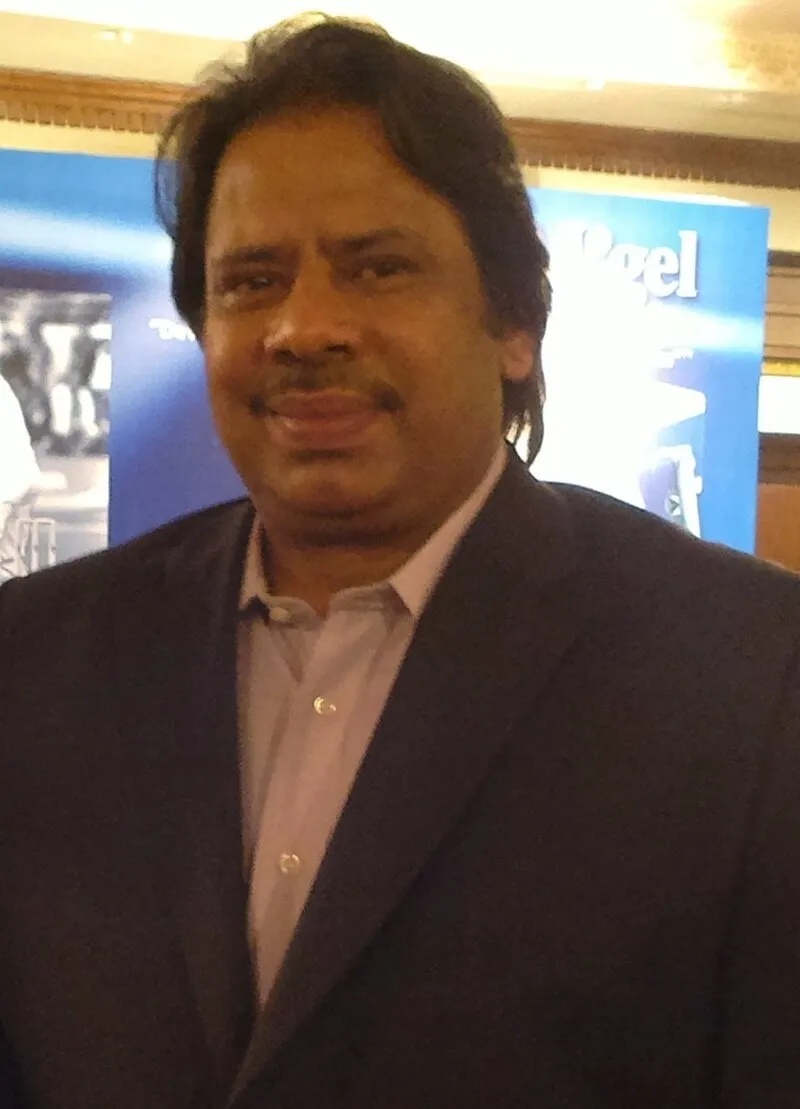
Photo of Jahangir Khan, via Wikimedia Commons
When historians of professional sport compile their definitive lists of the most dominant athletes who ever lived, Jahangir Khan's name sits near the very top. Between 1981 and 1986, the Pakistani prodigy did not lose a single professional squash match — 555 consecutive victories across five and a half years. That kind of supremacy does not merely win trophies; it constructs legacies, opens commercial doors, and, over time, accumulates serious financial weight. In 2026, Jahangir Khan's estimated net worth stands at approximately $8 million to $10 million, a figure that tells the story of a man who turned athletic perfection into a durable financial portfolio.
Early Life and the Road to Invincibility
Born in Karachi in 1963 into a family already steeped in squash royalty — his father Roshan Khan won the 1957 British Open — Jahangir's path to the top was shadowed by personal tragedy. His elder brother Torsam Khan died of a heart attack during a tournament in 1979, a loss that galvanized rather than broke the young Jahangir. Under the mentorship of legendary Australian coach Geoff Hunt, he transformed grief into an almost supernatural competitive drive.
By 1981, at just 17 years old, Jahangir had become the youngest-ever World Open champion. That record still stands. The titles that followed — six World Open championships, ten British Open crowns, and a cascade of international honors — were not simply personal achievements. They were commercial assets accumulating value with every passing year.
PSA Tour Prize Money and Tournament Earnings
Squash in the early 1980s was not the prize-money sport it would gradually become, and that context matters enormously when assessing Jahangir's financial arc. During his peak years of dominance, total prize purses across the PSA circuit were a fraction of what they are today. Estimates suggest Jahangir earned somewhere in the range of $1.5 million to $2.5 million in career prize money across his competitive years, a figure that would translate to considerably more in today's dollars when adjusted for inflation.
Critically, Jahangir's dominance arrived at precisely the moment when squash was beginning its push toward mainstream recognition. His presence at marquee events in London, Toronto, and New York helped promoters justify larger purses and broader television coverage. He was not merely a beneficiary of that growth — he was one of its primary engines.
Endorsements and Sponsorship Deals
At the height of his powers, Jahangir commanded endorsement relationships that were genuinely unprecedented for a squash player. His partnership with Dunlop — who supplied his rackets and apparel — was the most visible of these arrangements, but it was far from the only one. Sportswear contracts, equipment licensing deals, and corporate appearances added meaningfully to his income throughout the 1980s and into the 1990s.
In markets like the United Kingdom, Pakistan, and across the Gulf states, Jahangir's face carried extraordinary commercial value. Pakistani corporations in particular viewed him as a national symbol, and several long-term sponsorship arrangements reflected that status. Conservative estimates place his total career endorsement earnings at approximately $1 million to $2 million, with the most lucrative deals concentrated between 1982 and 1990.
Coaching, Academies, and the Business of Squash Development
After retiring from professional competition in the late 1990s, Jahangir did not step away from the sport. Instead, he stepped into a new role: that of squash's most recognizable ambassador and educator. His coaching work, both private and institutional, has generated consistent income for over two decades.
In Pakistan, Jahangir has been involved with squash development programs at both the grassroots and elite levels. His association with the Pakistan Squash Federation has at various times included advisory and ambassadorial functions that carry financial compensation. Internationally, his name lends credibility to squash academies and coaching clinics from the Middle East to Southeast Asia. Appearance fees for masterclasses, workshops, and exhibition events have continued to flow steadily into his portfolio well into the 2020s.
Coaching and academy-related income is conservatively estimated to contribute approximately $150,000 to $300,000 annually to his current earnings, though the figure fluctuates based on scheduling and project commitments.
Media, Broadcasting, and Public Speaking
Jahangir's profile extends well beyond the squash court. He has been a fixture in sports broadcasting and documentary projects, lending his analysis and personal narrative to productions that chronicle squash's golden era. His autobiography and various authorized biographical works have generated royalty income over the years, albeit modestly.
As a public speaker on themes of resilience, athletic excellence, and mental fortitude, Jahangir commands fees that reflect his stature. Corporate audiences in the United States, the United Kingdom, and the Gulf Cooperation Council countries have paid premium rates to hear from a man who went undefeated for five and a half years. Speaking engagement fees are estimated at $15,000 to $40,000 per appearance, with demand remaining consistent in 2025 and 2026.
Real Estate and Personal Investments
Jahangir has maintained residential properties in both Pakistan and the United Kingdom throughout his adult life. While precise valuations are not publicly available, real estate holdings in Karachi and London represent a meaningful component of his overall asset base. Property appreciation in both markets over the past two decades has contributed positively to his net worth, independent of any active income generation.
Beyond real estate, Jahangir has made selective investments in Pakistani business ventures, including interests in the hospitality and sports infrastructure sectors. These holdings are not publicly traded and therefore difficult to value precisely, but informed estimates suggest they contribute several hundred thousand dollars to his total portfolio.
The Squash Diplomacy Premium
One dimension of Jahangir's financial life that is rarely discussed but genuinely significant is what might be called his squash diplomacy premium. His role as a global ambassador for the sport — attending IOC meetings, advocating for Olympic inclusion, representing squash at international sports governance forums — carries both symbolic and material rewards. Consulting arrangements, funded travel, and institutional honoraria from bodies like the World Squash Federation have provided supplementary income streams that extend his financial reach beyond anything directly tied to playing or coaching.
Jahangir Khan Net Worth 2026: The Final Estimate
Drawing together prize money, endorsements, coaching income, media appearances, real estate, business investments, and public speaking, Jahangir Khan's net worth in 2026 is estimated at $8 million to $10 million. For a sport that has historically struggled to generate the financial rewards available in tennis or golf, that figure is a testament to what sustained excellence, intelligent positioning, and enduring relevance can produce.
More than four decades after his first World Open title, Jahangir Khan remains squash's most recognizable name in virtually every market on earth. That recognition, carefully stewarded, continues to pay dividends in 2026 — proof that the greatest winning streak in sports history was only the beginning of the story.